

What is the pipeline?
The planned H2Med pipeline is a large-scale project designed to transport hydrogen from the Iberian Peninsula to Central Europe. It is being promoted as a key part of Europe’s green transition and promises clean energy futures and economic growth. But behind this vision lies a different reality. Multinational energy corporations are already expanding massive infrastructure along the pipeline while local communities and activists question who this ‘green future’ is for, who profits and who pays the price.

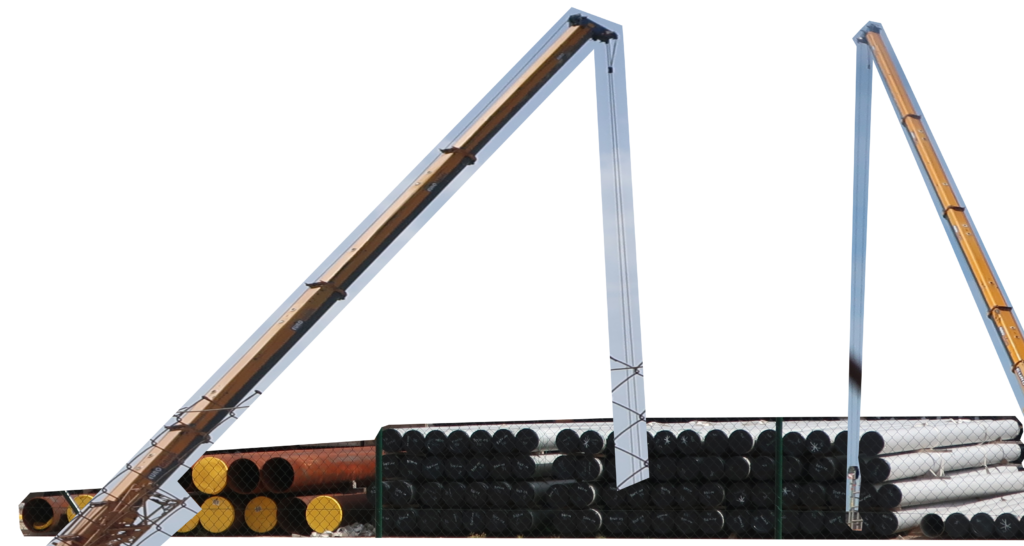
What is ‘green’ hydrogen?
Hydrogen is often presented as a clean energy solution, but not all hydrogen is the same. Today, more than 99% is still produced from fossil fuels. Only a small fraction is “green”, made using renewable electricity through an energy-intensive process called electrolysis. Producing, storing, and transporting hydrogen is complex, costly, and inefficient. This raises a key question: if it is so difficult to handle, why are we building massive infrastructures like H2Med around it?
what is H2Med doing to land, water, and rural communities?
So-called ‘green’ hydrogen doesn’t just come out of the void. Its industrial production requires massive infrastructure. Along the H2Med route, this means new biogas production, wind farms, solar fields, and pipelines reshaping entire territories. These projects take up land, consume water, and transform rural areas into energy production zones for distant markets in northern Europe. In water-scarce regions, hydrogen production risks depleting already stressed aquifers. At the same time, farmland is increasingly repurposed for energy generation instead of food production. What is presented as a green transition can therefore put pressure on local livelihoods, ecosystems, and rural futures. In parallel the energy produced is exported elsewhere.
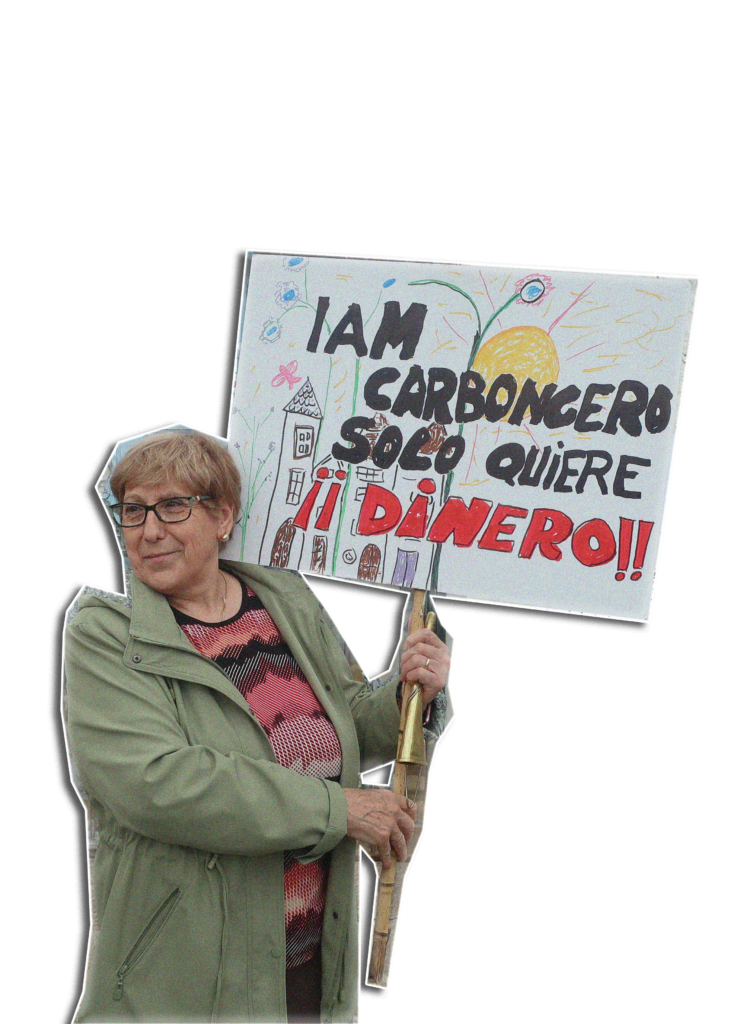
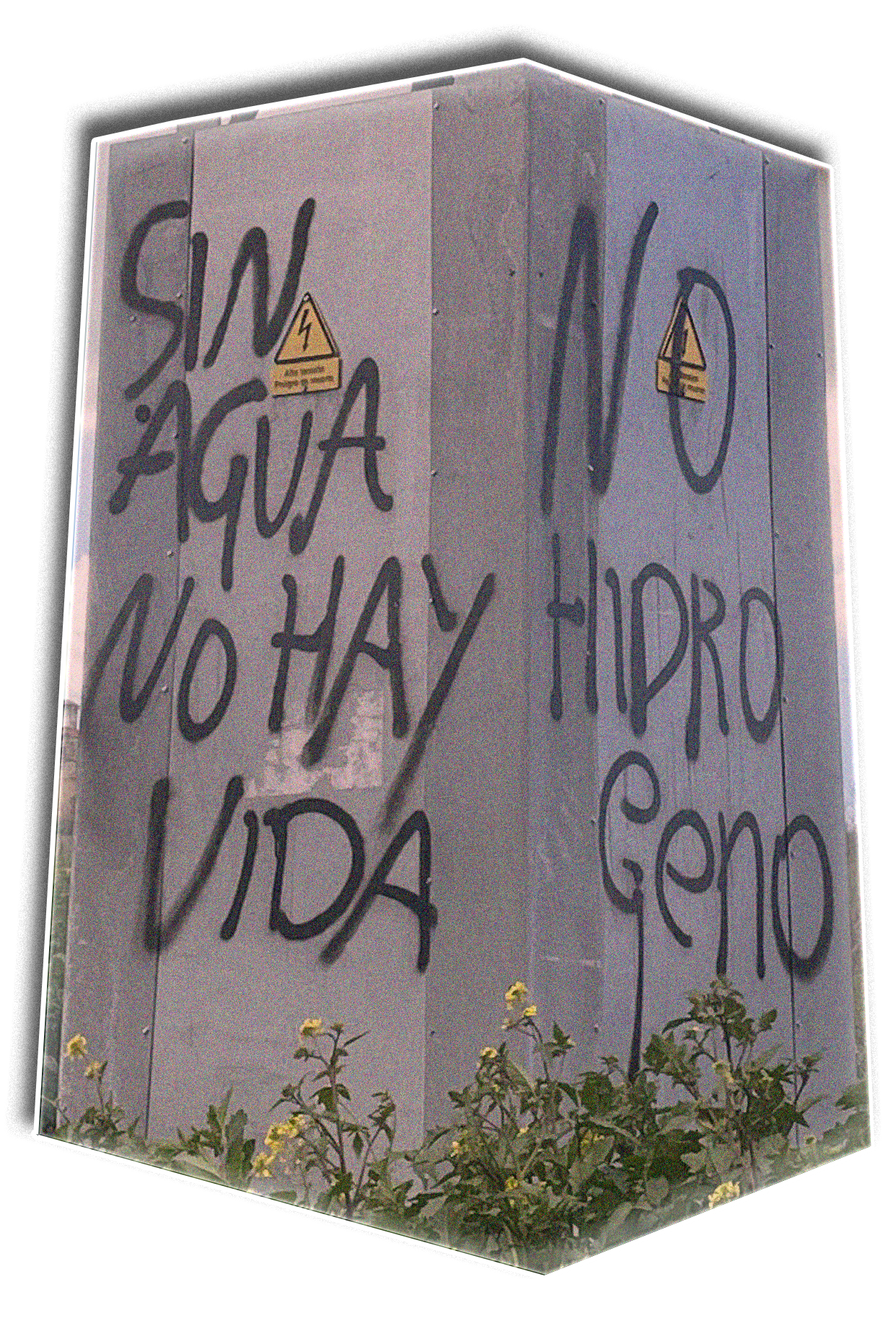
is H2Med just the next wave of energy colonialism?
For many communities, H2Med feels like a continuation of a long history of energy extraction. Regions that already host dams, nuclear plants, or renewable megaprojects are once again being turned into energy suppliers in the name of economic growth. The pattern remains the same: energy is produced in peripheral regions, while profits and decision-making power stay elsewhere. At the same time, H2Med is backed by large private investment and political support despite uncertain demand and efficiency concerns. It risks locking territories into new infrastructures that primarily serve industrial and export interests. For many activists, this is not a just transition, but a continuation of energy colonialism under a green label.
Resisting Pipelines, Making Futures
Find all video interviews in one place:
Follow the stories of the activists and the pipeline in the storymap below: